
When a hurricane threatens your community, it’s often too late to stop and think about what you should have packed. Having a hurricane evacuation kit ready to go can make the difference between staying safe and being caught unprepared.
From 2015 to 2024, the U.S. experienced 190 billion-dollar disasters, which caused over 6,300 deaths and about $1.4 trillion in damages, according to NOAA’s National Centers for Environmental Information (NCEI). With extreme weather events on the rise, every household needs a plan and a well-prepared emergency supply kit.
This guide breaks down what to pack in your hurricane go-bag so you and your family can evacuate safely and survive comfortably in the days following a storm.
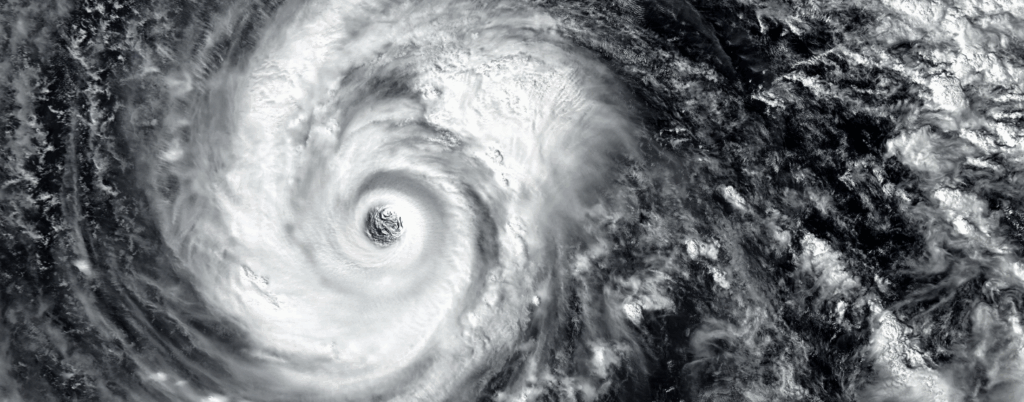
Why an Evacuation Kit Matters
During or after a hurricane, you may need to survive on your own without access to electricity, clean water, or open stores. FEMA recommends being prepared for at least 72 hours of self-sufficiency. A properly packed hurricane evacuation kit ensures you have food, water, critical documents, and medical supplies when you need them most.
Being prepared also:
- Reduces panic and stress during evacuation
- Helps prevent injuries from lack of supplies
- Protects your family’s vital documents and medications
- Ensures pets, infants, and elderly family members have what they need
Hurricane Evacuation Kit Checklist
Here’s a comprehensive, category-by-category list to start building your hurricane go-bag:
1. Water
- One gallon per person per day (minimum three days)
- Airtight plastic containers or bottled water
- Consider water purification tablets or unscented household bleach (guidelines for disinfecting water with bleach here)
2. Food
- Three-day supply of non-perishable items (canned food, protein bars, dried fruit, peanut butter)
- Manual can opener
- Infant formula for babies
- Pet food and supplies for animals
3. First Aid Kit
Include both over-the-counter and prescription needs:
- Sterile bandages, gloves, and dressings
- Soap, antibiotic wipes, and ointment
- Pain relievers, antacids, and anti-diarrheal meds
- Eyewash solution and thermometer
- Prescription medicines, medical devices, and backup supplies
- First Aid manual – consider training through the Red Cross
4. Sanitation Supplies
Hurricane damage often disrupts sanitation systems and water lines. Pack:
- Toilet paper & moist towelettes
- Feminine hygiene supplies
- Heavy-duty garbage bags with ties
- Plastic bucket with lid (emergency toilet)
- Chlorine bleach for cleaning and disinfecting
- Pet waste supplies
5. Tools & Survival Gear
- Battery-powered or hand-crank radio (NOAA Weather Radio recommended)
- Flashlight (solar or battery-powered) + extra batteries
- Whistle to signal for help
- Duct tape, wrench/pliers (to shut off utilities)
- Matches or lighters in waterproof container
- Small fire extinguisher
- Plastic sheeting & scissors (for emergency shelter-in-place)
- Multi-tool or utility knife
6. Documents (Keep in Waterproof Storage)
Scan and back these up digitally, but also carry physical copies:
- Driver’s license, passports, social security cards
- Birth, marriage, and insurance certificates
- Deeds, wills, and financial contracts
- Medical records and immunizations
- Insurance policies and bank account info
- Emergency contact list
7. Clothing & Sleeping Essentials
- Complete change of clothing per person (long sleeves, pants, sturdy shoes)
- Seasonal gear (jackets, hats, gloves, raincoats)
- Sleeping bags or Mylar blankets
- Extra socks, underwear, sun protection
8. Optional but Recommended Items
- Cash ($500–$1,500 suggested by FEMA)
- Books, puzzles, or games for kids
- Chargers & backup power banks
- Personal hygiene items (toothbrush, pads/tampons, soap, wipes)
- Baby diapers, bottles, and formula
- Pet care items (leash, carrier, extra food)
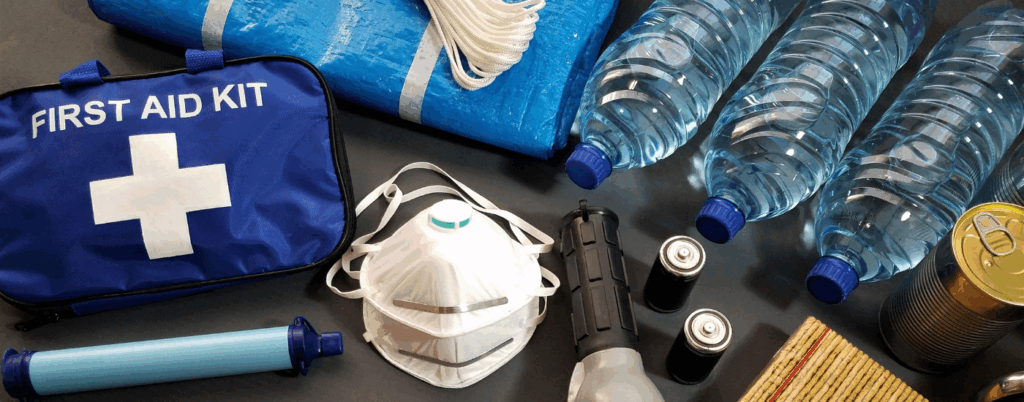
Maintaining and Storing Your Hurricane Kit
Once you’ve built your kit, it’s just as important to maintain it:
- Replace expired food, water, and medications every six months
- Keep the bag in a cool, dry location, easily accessible for quick evacuation
- Store multiple kits: one for home, one for your car, and one at work
- Reassess yearly to update items for children, medical needs, or pets
Pro tip: Tape an expiration checklist to your kit lid so you know when to rotate items.
Downloadable Preparedness Resources
To make building your hurricane kit easier, here are free downloadable checklists and guides from FEMA and Ready.gov:
Final Thoughts: Don’t Wait Until the Storm Hits
Hurricanes are unpredictable, but your preparedness doesn’t have to be. Building a hurricane evacuation kit ensures you’ll have everything you need—water, food, medical supplies, and critical documents—when it matters most.
Disaster recovery starts long before the storm begins. Start small, make a checklist, and begin assembling your kit today.