
The Importance of Hurricane Shelters
Hurricane shelters play a critical, proactive role in disaster response. These facilities shield people from deadly wind, rising floodwater, and flying debris during the peak of hurricane conditions, giving evacuees a safe haven when their homes are no longer secure. Every year, emergency shelters actively evacuate and house thousands of Americans, saving lives and preventing serious injury when storms strike.
By locating your nearest shelter ahead of time, assembling a proper shelter kit, and familiarizing yourself with shelter operations, you put yourself in control of your family’s safety. Taking these steps turns hurricane preparedness into an active effort—one that protects loved ones and builds confidence for whatever the season brings.
How to Find a Hurricane Shelter
1. Red Cross Shelter Map
The American Red Cross Shelter Map is one of the fastest and most reliable ways to locate an open shelter during a hurricane. Updated in real time, the tool compiles nationwide listings of active shelters and crucial details about each one—including operating hours, available capacity, food services, and whether pets are allowed. Since it’s accessible via both web and mobile, evacuees can quickly check on the go. This is especially helpful when traveling along evacuation routes or if conditions change and your first option isn’t available. Bookmarking this site ahead of time ensures quick access when minutes matter.
2. FEMA Disaster Shelter Directory
The Federal Emergency Management Agency (FEMA) provides multiple ways to locate shelters before and during disasters. By texting “SHELTER” + your ZIP Code to 43362, you’ll instantly receive the nearest shelter information via SMS—a critical lifeline if your internet service goes down. In addition, the FEMA App offers interactive maps, emergency alerts, and guidance on nearby shelters. You can also use the FEMA Disaster Recovery Center (DRC) Locator online to search shelters by ZIP code and even get GPS directions. Since FEMA integrates with local and state agencies, it often lists shelters beyond Red Cross networks, expanding your options. In summary:
- Text “SHELTER” + ZIP Code to 43362 for instant shelter info via SMS.
- Use the FEMA App or FEMA DRC Locator for searchable lists and navigation.
3. Local Resources and 211
Your city, county, or parish emergency management office is often the most accurate local source for shelter information. Many municipal websites publish detailed lists of upcoming or active shelters, sometimes with special designations such as “pet-friendly,” “medical needs,” or “special needs” shelters. Calling 211 connects you directly to trained specialists who provide location-specific shelter referrals, taking into account your exact county and circumstances. This service is especially valuable if you are unfamiliar with your area or need immediate, real-time guidance. Many local radio and TV stations also broadcast shelter updates directly from local emergency operations centers, so keep a battery-powered radio handy. In summary:
- Dial 211 for live, local shelter referrals by county.
- Check official city/county emergency management websites; many post shelter lists before and during storms.
4. Downloadable Resources
Having printed resources on hand ensures you’re prepared even if power or cell service fails. The Ready.gov Printable Shelter Checklist (PDF) offers a step-by-step guide to what you should pack when evacuating to a shelter, covering essentials like documents, personal items, food, and medical supplies. Keeping a hard copy inside your emergency kit allows you to double-check items quickly under stress. Many states and local governments also publish their own downloadable guides with lists of official shelters by county—these can often be found on your emergency management website before hurricane season starts. Organizing, downloading, and printing these resources well in advance means you won’t need to rely solely on digital tools when disaster strikes.
What Should You Bring to a Hurricane Shelter?
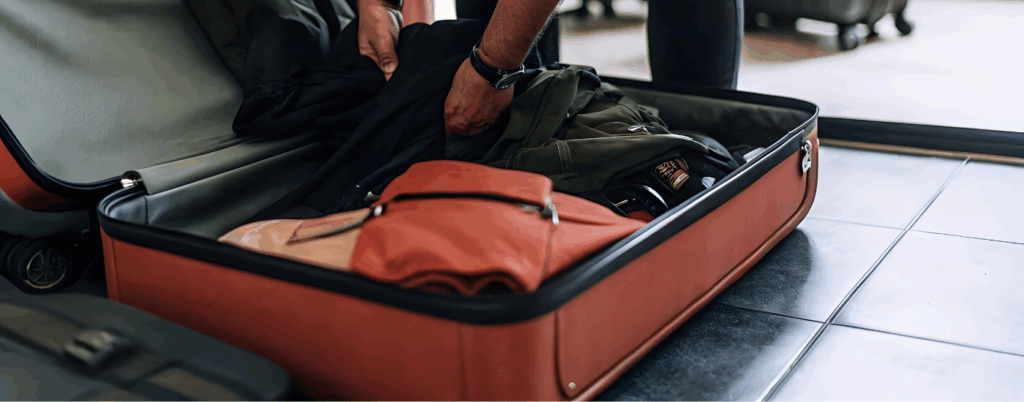
Shelters provide safety and basic survival essentials, but you must bring your own comfort and special needs items. Most shelters recommend packing:
- Bedding: Pillow, sleeping bag, blanket, cot, or air mattress—cots are rarely provided.
- Important documents & ID: Medical records, proof of address, birth certificate, insurance policies.
- Medications & Medical Supplies: Sufficient meds for each family member, glasses, syringes, hearing aids, health aids.
- Personal hygiene items: Soap, sanitizer, wipes, feminine products, masks, towel.
- Food & Water: Non-perishable food and bottled water (at least three-day supply).
- Clothing: Comfortable change of clothes, sturdy shoes.
- Special needs: Baby food/supplies, comfort items for children, supplies for pets (kennel, food, leash, medication).
- Cash: ATMs may be offline during disasters.
- Chargers: For phones and portable electronics.
Download: FEMA/Ready.gov Shelter Kit Checklist PDF for your pack list.
What To Expect At a Hurricane Shelter
Shelters are designed for survival, not comfort. Here’s what you’ll typically find:
- Secure, wind-resistant buildings: Often schools, offices, churches, or community centers.
- Basic sleeping arrangements: Space for sleeping, sometimes cots or mats (especially at post-storm shelters). During crowded periods, you may only have floor space.
- Food and water supplies: Simple meals, clean drinking water.
- Emergency medical support: First aid stations; those with special medical needs should check for medical/MEPS shelters, which offer continuous medical equipment or supervision.
- Sanitation facilities: Bathrooms, showers, and hand-washing stations when possible.
- Limited privacy and amenities: Expect noise, stress, and minimal personal space. Bring items to help with comfort, like earplugs or books.
- Pet accommodations: Only designated pet-friendly shelters allow animals; bring vaccination records and their supplies.
- Accessibility: Shelters are physically accessible, with ramps and features for disabled or mobility-challenged guests.
Post-storm shelters provide more comprehensive support (cots, showers, meals, counseling) but may not open until hours after landfall.
Shelter Safety & Features
High-quality hurricane shelters meet FEMA and ICC-500 standards, including:
- Emergency lighting
- Flood-resistant design
- Strong structural integrity
- Well-ventilated spaces
- Backup power for lighting and ventilation
All shelters have trained staff, communication systems, and rapid response protocols for safety.
Tips for Safety and Comfort
- Arrive early: Shelter space is first-come, first-served.
- Be respectful: Help staff and respect fellow evacuees.
- Stay informed: Shelters have radios for updates; listen for instructions or next steps.
- Watch for stress: Provide children, elderly, and pets comfort items to ease anxiety.
- Special needs: If disabled or medically dependent, confirm shelter types before arriving.
Downloadable & Essential Resources
Be Prepared, Stay Safe
Taking the time to find your nearest hurricane shelter and understanding what to expect can make all the difference when a storm hits. Shelters provide critical protection, but your safety and comfort depend on advance planning, packing essential items, and having reliable information at your fingertips. By using resources like the Red Cross Shelter Map, FEMA locators, and local emergency services, and by preparing a shelter kit for every member of your household, including pets, you’ll ensure you’re ready for whatever hurricane season brings. Preparedness brings peace of mind—and could help save lives when it matters most.